

Flyer & Leaflet Sizes, Folds & Templates Guide
Flyer and leaflet sizes in the UK follow the ISO A-series system, with popular formats including A5 leaflets, A6, DL, and A4. Each size and fold style — from flat flyers to trifold leaflets — serves a specific marketing purpose, affecting design layout, print cost, and audience engagement. Understanding these dimensions and fold options ensures your printed materials are both effective and professionally presented.
The following guide explores the most common UK flyer and leaflet sizes, folding styles, and design templates in more detail, helping you choose the right format for your next campaign. For more information on flyers and leaflets, take a look at our full guide.
Table Of Contents
1. Understanding the Difference Between Flyers and Leaflets
Although the terms are often used interchangeably, flyers and leaflets serve different marketing needs.
- Flyers are flat, single sheets printed on one or both sides. They’re ideal for short, impactful messages such as event announcements, discounts, or local promotions.
- Leaflets are usually folded, providing multiple panels to organise content. They work well for menus, service overviews, product catalogues, or detailed brand stories.
In simple terms:
- Flyers offer speed and simplicity.
- Leaflets provide structure and space for storytelling.
When planning your print materials, choose based on your message. A brief, eye-catching promotion suits a flyer. For campaigns requiring more explanation or imagery, a folded leaflet is more effective. For a closer look at their distinctions, see Flyers vs Leaflets: Key Differences Explained.
2. Standard UK Flyer and Leaflet Sizes Explained
UK printing follows the ISO A-series paper system, ensuring all sizes scale proportionally — for instance, folding an A4 sheet creates an A5. Understanding these dimensions helps you prepare print-ready artwork correctly.
Common UK sizes include:
- A7 (74 × 105 mm): Compact and perfect for loyalty cards or vouchers.
- A6 (105 × 148 mm): Handy for handouts or event flyers.
- A5 (148 × 210 mm): The most popular choice for general marketing materials.
- DL (99 × 210 mm): Sleek and ideal for mail inserts or menus.
- A4 (210 × 297 mm): Best for folded leaflets, menus, or detailed brochures.
Square or custom sizes can help your brand stand out, but may cost slightly more to print. If you’re considering custom layouts, explore custom size leaflets for unique dimensions.
3. Choosing the Best Size for Your Print Campaign
The right format depends on your goals, audience, and delivery method.
- A7 or A6: Perfect for quick handouts, vouchers, or compact marketing campaigns.
- A5: Combines space for clear messaging with affordability.
- A4: Offers more room for images and copy, often folded for multi-page layouts.
- DL: Fits envelopes and brochure racks easily, ideal for direct mail or menus.
Larger sizes allow for more detail, while smaller formats are cheaper to produce and distribute. Matching your size to the message ensures clarity, professionalism, and maximum engagement.
4. Exploring the Most Common Leaflet Fold Types
Folding determines how your leaflet is read and how the message unfolds. The most effective fold types include:
- Half-Fold (Bifold): Splits an A4 sheet into two A5 panels. Clean and simple.
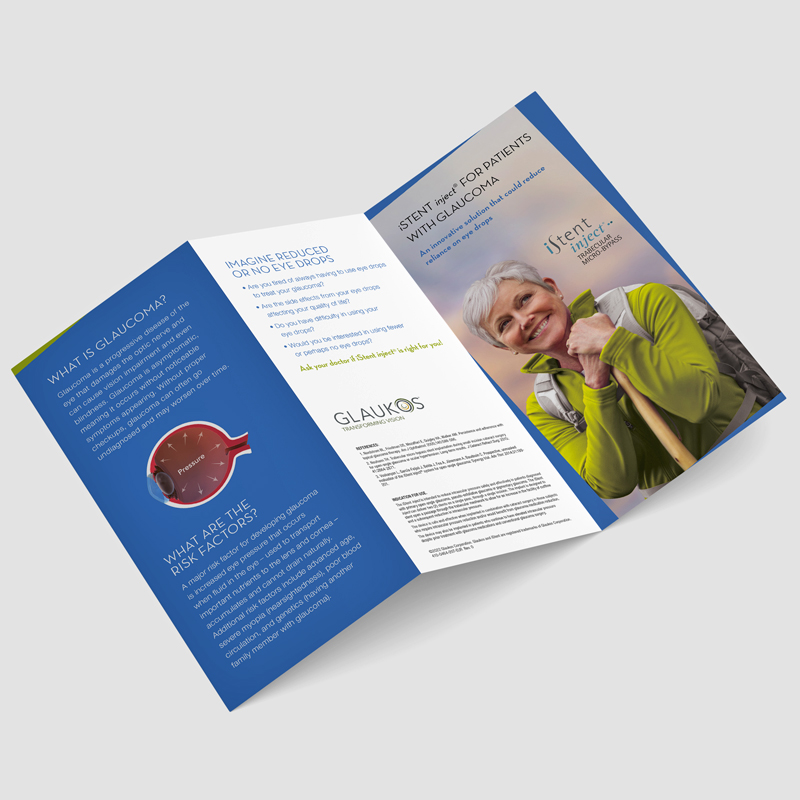
- Tri-Fold (Letter Fold): The most popular choice, giving six panels for balanced storytelling.
- Z-Fold: Opens in a zig-zag motion — great for step-by-step content or travel guides.
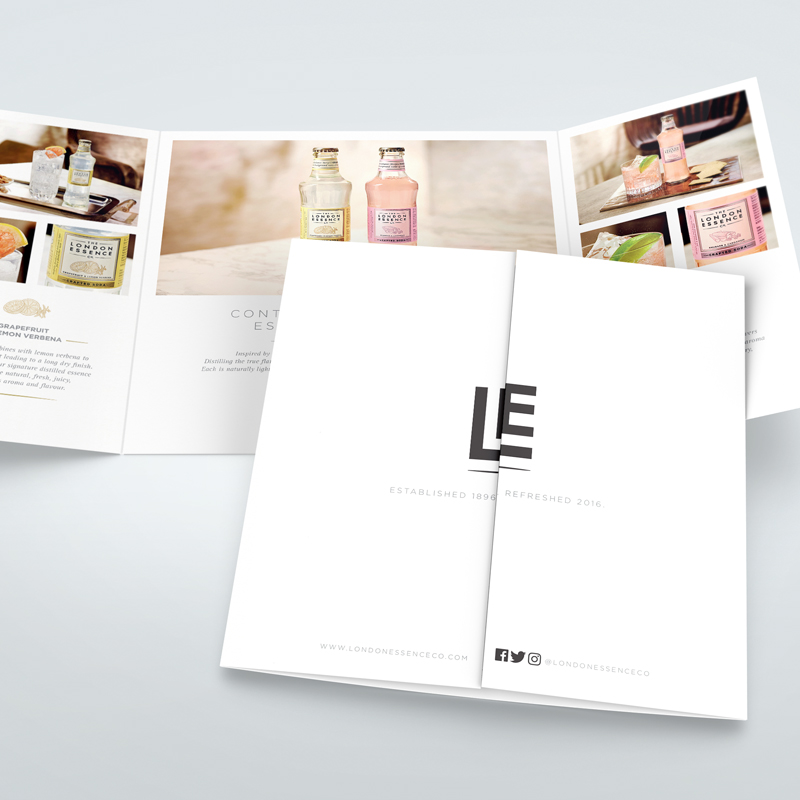
- Gatefold: Two side panels open to reveal a central image or offer — perfect for bold design statements.
- Accordion Fold: Expands outward for detailed, multi-section content like maps or event programmes.
Selecting the right fold ensures your message flows logically and keeps readers engaged from start to finish. For more inspiration, explore Creative Leaflet Ideas for UK Businesses.
5. Quick Reference Table for UK Flyer and Leaflet Sizes
This table offers a quick way to choose the right format for your marketing goals and print setup.
| Size | Dimensions (mm) | Dimensions (inches) | Common Use | Typical Fold Options |
|---|---|---|---|---|
| A7 | 74 × 105 | 2.9 × 4.1 | Loyalty cards, vouchers | Flat |
| A6 | 105 × 148 | 4.1 × 5.8 | Handouts, event flyers | Flat |
| A5 | 148 × 210 | 5.8 × 8.3 | Standard flyer or leaflet | Flat / Bifold |
| DL | 99 × 210 | 3.9 × 8.3 | Mail inserts, menus | Flat / Trifold |
| A4 | 210 × 297 | 8.3 × 11.7 | Detailed brochures, menus | Bifold / Trifold |
| Square (148 × 148) | 148 × 148 | 5.8 × 5.8 | Premium or creative layouts | Flat / Custom folds |
6. Preparing Print-Ready Artwork for Professional Results
Accurate file setup is vital to avoid print errors and delays. Always follow professional print standards when preparing artwork:
- Bleed: Extend artwork by 3 mm beyond the trim edge to prevent white borders.
- Safe Zone: Keep key elements (logos, text) at least 5 mm from the edge.
- Resolution: Set designs to 300 dpi in CMYK colour mode for sharp results.
- File Format: Export as high-quality PDF with embedded fonts or outlined text.
- Fold Guides: Mark panel divisions clearly to prevent alignment issues.
Preparing artwork this way ensures colours, text, and folds print precisely as intended.
7. Understanding Paper Stocks, Finishes and GSM
The texture and weight of your leaflet paper make a strong first impression. Paper stock affects durability, print quality, and how customers perceive your brand.
Common weights (GSM):
- 130–170 gsm: Lightweight and ideal for mass distribution.
- 200–300 gsm: Medium-weight for professional campaigns and premium mailers.
- 350–400 gsm: Heavy, luxurious feel, often used for short-run or high-end materials.
Popular finishes:
- Gloss: Vibrant and reflective, ideal for image-rich designs.
- Silk: Smooth and professional, a versatile all-round option.
- Kraft: A natural, rustic brown paper that gives printed materials an organic, eco-friendly feel.
- Uncoated: Natural finish with writable surface, perfect for menus or appointment cards.
8. Making the Most of Templates and Design Tools
Using print-ready templates saves time and reduces errors. Select templates that match your chosen size and fold type.
Check that they include:
- Trim and bleed marks built in.
- Safe zones for text and graphics.
- Correct colour setup (CMYK).
- Compatibility with your preferred design software.
Templates ensure consistent layout and print accuracy, especially when creating multiple designs for campaigns or clients.
9. Practical Ways Flyers and Leaflets Boost UK Marketing
Flyers and leaflets remain powerful tools in both local and national marketing. Their affordability and versatility make them perfect for promotions, events, and brand awareness.
Examples include:
- Hospitality: DL tri-fold menus or A5 flyers for seasonal offers.
- Retail: A6 vouchers or A5 flyers for sales and product launches.
- Professional Services: A4 bifolds to explain packages or provide contact details.
When designed effectively, printed materials can complement digital marketing and leave a tangible reminder of your brand.
Cost Considerations, Efficiency Tips and Final Advice
Printing costs vary depending on size, paper weight, quantity, and finish. As a general guide:
- Smaller sizes such as A6 are the most cost-effective.
- A5 and DL formats offer strong value when ordered in bulk.
- Heavier paper stocks and complex folds add cost but also enhance quality.
To maximise efficiency:
- Use standard UK sizes to reduce trimming waste.
- Order in bulk to benefit from lower per-unit pricing.
- Always supply correctly prepared artwork to avoid reprints or setup fees.
Choosing the right flyer or leaflet size, fold, and paper type ensures your design looks professional and delivers the right message to your audience. Whether you’re promoting an event, a product, or a service, printed marketing materials remain a proven way to make a lasting impact.
If you’re ready to create impactful, high-quality flyers or leaflets, explore custom design options or use ready-made templates to bring your ideas to life. Learn more through The Ultimate Guide to Flyer and Leaflet Printing.