

Foiling for Print
Foil stamping, also known as foiling, is an effective way to enhance printed designs with metallic, high-shine logos and text. Foiling can be applied using either digital foiling or traditional hot foil stamping.
But what is the difference between these two methods, and which is best suited to your print requirements? Here is a quick guide to both options.
But what is the difference between these two methods, and which is best suited to your print requirements? Here is a quick guide to both options.
Digital Foiling
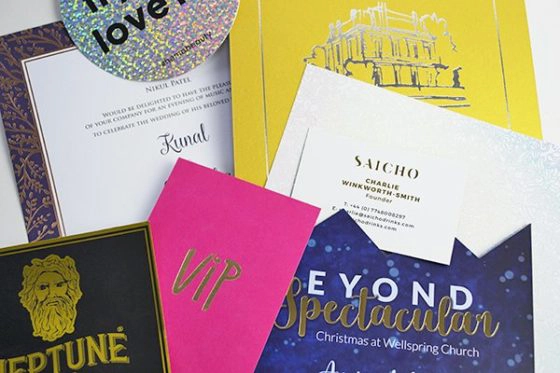
Digital foiling is a faster and more cost-effective way to add foil detailing to printed designs. It works from a digital artwork file, which guides the machine on exactly where the foil should be applied.
The advantages of digital foiling include lower setup costs for short print runs and quicker production times, making it well suited to urgent or smaller projects.
However, it does have limitations. Lamination is typically required to achieve the best finish, and the overall presentation is not as refined as traditional hot foil stamping. Because the foil sits on the surface of the print rather than being pressed into the material, it does not reflect light with the same depth or intensity as hot foil.
The advantages of digital foiling include lower setup costs for short print runs and quicker production times, making it well suited to urgent or smaller projects.
However, it does have limitations. Lamination is typically required to achieve the best finish, and the overall presentation is not as refined as traditional hot foil stamping. Because the foil sits on the surface of the print rather than being pressed into the material, it does not reflect light with the same depth or intensity as hot foil.
Hot Foil Stamping
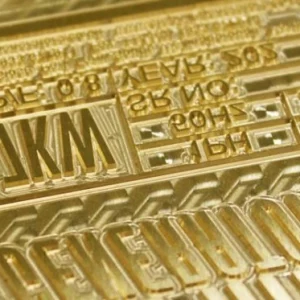
Hot foil stamping is a method of adding premium foiling quality to paper products using a press, custom-made die, and foil. The die is heated and pressed onto the foil and paper, transferring the foil only to areas that come into contact with the die. There is an additional cost for the assembly of the foiling die, which varies based on the size of the area to be foiled. This cost may not be an issue for large quantities of foil-stamped items.
The Pros and Cons of Foil Stamping
Like any print finish, hot foil stamping comes with its own advantages and considerations. Understanding the benefits and limitations can help you decide whether it is the right choice for your project.
Pros
More professional results. Hot foiling can achieve finer detailing and slightly de-boss the foiled elements, giving them a subtle shimmer. It is more economical for longer print runs, as the cost balances out when printing a large batch of items. However, it is more expensive for small-quantity orders.
Cons
Longer production times. Preparing a hot foil job requires additional setup time to manufacture the die block. If your project is time-sensitive, digital foiling may be the more suitable option.
Both digital foiling and hot foil stamping are produced in-house, helping to maintain quality control and avoid additional outsourcing costs.
Both digital foiling and hot foil stamping are produced in-house, helping to maintain quality control and avoid additional outsourcing costs.
Ready to Get Started?
Foiling is a popular finishing option when you want to add visual impact, texture, and a premium feel to printed materials. Whether you are considering a subtle highlight or a bold design feature, our team can help you select the most suitable foil, stock, and production method for your project.
If you would like advice or a quotation for foiled print, get in touch and we will be happy to guide you through the available options.
If you would like advice or a quotation for foiled print, get in touch and we will be happy to guide you through the available options.