

Die Cutting Explained
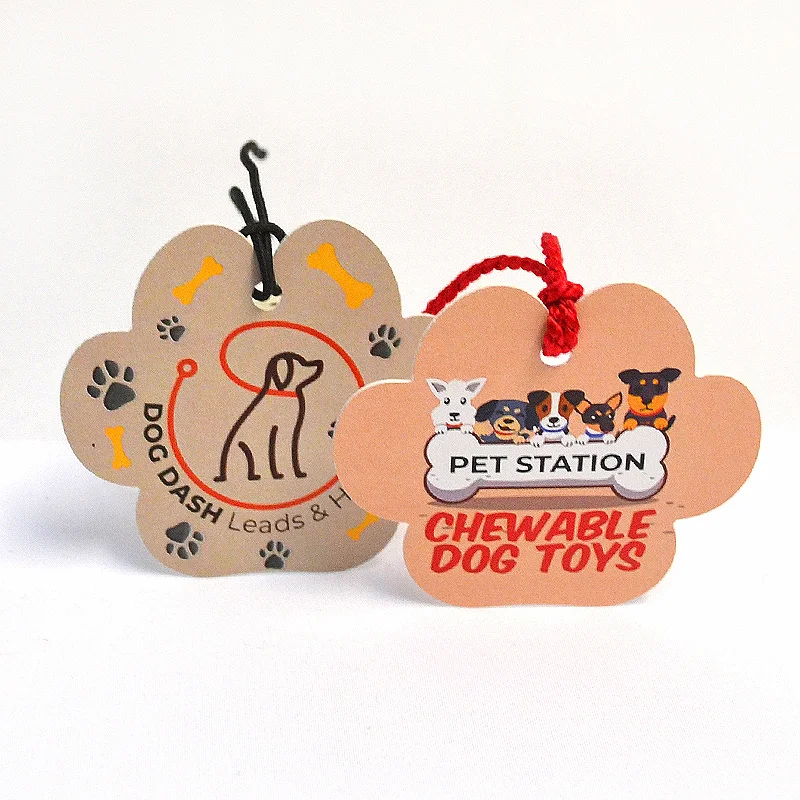
You may have seen print products available in custom shapes, but what exactly does die cutting involve? More importantly, how can it help you create a distinctive, eye-catching design that stands out from standard formats? Read on to discover how die cutting works and how it can enhance your print.
What is Die Cutting?
In the world of printing, die cutting provides a quick and inexpensive way of cutting lots of printed items into identical shapes.
Your design is printed on a square or rectangular sheet of material (typically paper or card), then placed in a machine which has been loaded with a custom-made ‘die’ or ‘punch block’ (a block of wood with a metal blade, bent and folded into the desired shape).
When the machine presses the printed sheet and the die together, it cuts out the shape of the blade into the material in an instant.
Your design is printed on a square or rectangular sheet of material (typically paper or card), then placed in a machine which has been loaded with a custom-made ‘die’ or ‘punch block’ (a block of wood with a metal blade, bent and folded into the desired shape).
When the machine presses the printed sheet and the die together, it cuts out the shape of the blade into the material in an instant.
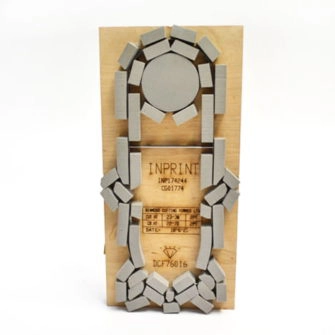
Die Cut Block
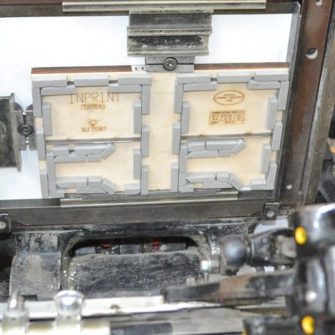
Block Mounted on Platten
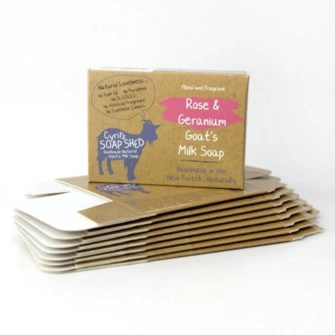
Custom Cut Boxes
Frequent Die Cutting Questions
Below you’ll find answers to the most frequently asked questions about die cutting, including how the process works, which materials are suitable, and when it’s the best choice for custom shapes. These explanations are designed to help you decide whether die cutting is the right option for you print project before placing your order.
Traditional die cutting allows your chosen shape to be produced cleanly and consistently in a single press, making it an efficient option for larger quantities. Unlike digital cutting, which follows each curve individually, a custom-made die cuts the entire outline in one action.
Once manufactured, the die can be reused for future print runs, ensuring uniform, repeatable results across hundreds or even thousands of identically shaped products.
Once manufactured, the die can be reused for future print runs, ensuring uniform, repeatable results across hundreds or even thousands of identically shaped products.
Die cutting works best on materials such as paper and card, as the process uses a press to cut cleanly through the stock in a single action. For reliable results, we recommend a minimum weight of 170gsm, with most materials suitable up to around 500gsm.
Paper thickness is measured in microns, which represent thousandths of a millimetre, and this measurement helps determine whether a chosen stock is appropriate for die cutting. Keeping these specifications in mind when selecting your material will ensure the finished shape is cut accurately and consistently.
Paper thickness is measured in microns, which represent thousandths of a millimetre, and this measurement helps determine whether a chosen stock is appropriate for die cutting. Keeping these specifications in mind when selecting your material will ensure the finished shape is cut accurately and consistently.
For thicker or more rigid materials, digital cutting is often the preferred method. Unlike traditional die cutting, which uses a custom-made metal forme to stamp out a shape, digital cutting follows a computer-controlled path using a precision blade.
These machines feature a flat cutting bed with interchangeable tools for cutting and scoring, all mounted on a movable arm. The arm travels in multiple directions across the sheet, accurately tracing the programmed outline of your design.
During production, the printed sheets are secured on the cutting table, and the blade follows the set path to create the required shape. This makes digital cutting a flexible and efficient solution for bespoke print designs, prototypes, or lower-volume runs where creating a physical die would not be practical.
These machines feature a flat cutting bed with interchangeable tools for cutting and scoring, all mounted on a movable arm. The arm travels in multiple directions across the sheet, accurately tracing the programmed outline of your design.
During production, the printed sheets are secured on the cutting table, and the blade follows the set path to create the required shape. This makes digital cutting a flexible and efficient solution for bespoke print designs, prototypes, or lower-volume runs where creating a physical die would not be practical.
Digital Die Cut Paper and Card
Modern cutting technology now allows for precise, “die-free” shaping across a wide range of paper and card weights, making it a flexible option for custom print products. Because no physical cutting forme is required, this method can help lower setup costs and speed up production times.
Digital cutting is best suited to shorter runs, bespoke designs, or sample quantities before committing to larger volumes produced with traditional die-cutting tools. It offers accuracy and versatility without the initial tooling expense.
If you’re unsure which cutting approach is most suitable for your print product, speak to our team and we’ll guide you towards the best option for your design, quantity, and budget.
Digital cutting is best suited to shorter runs, bespoke designs, or sample quantities before committing to larger volumes produced with traditional die-cutting tools. It offers accuracy and versatility without the initial tooling expense.
If you’re unsure which cutting approach is most suitable for your print product, speak to our team and we’ll guide you towards the best option for your design, quantity, and budget.