

How to Design Flyers That Get Real Results
Designing flyers that get real results requires more than just attractive visuals — it’s about combining clear messaging, strategic layout, and high-quality printing to engage audiences and drive action. In the UK, flyers remain a proven marketing tool for promoting events, services, and local businesses when designed with purpose and precision. For a broader overview of print marketing strategy, explore The Ultimate Guide to Flyer and Leaflet Printing. You can also visit Flyers and Leaflets UK to discover more insights and resources.
This article explains how to create effective flyer designs that capture attention, communicate value, and deliver measurable outcomes through smart design choices, copywriting, and distribution strategy.
Table Of Contents
Why Flyer Design Still Works in 2025
While many businesses focus solely on digital marketing, print remains powerful. Flyers cut through the clutter of online advertising and connect with people in the real world. They don’t rely on algorithms or email filters—they get your message directly into your audience’s hands.
Research shows that well-designed flyers can achieve response rates of 3–5%, outperforming many online campaigns. When integrated with digital channels through QR codes or personalised URLs, flyers become a bridge between offline and online engagement. They build trust, increase brand visibility, and offer a physical reminder of your business that’s hard to ignore.
For more background on print formats and layout fundamentals, you may also want to read Flyer and Leaflet Sizes, Folds and Templates Guide.
Set Clear Goals Before You Start Designing
Every successful flyer begins with a clear purpose. Defining your objective helps shape both the design and the message.
Ask yourself:
- Do you want to drive attendance to an event?
- Increase sales or enquiries?
- Promote a seasonal offer or new service?
Once you’ve established the goal, define your target audience. Understanding who you’re speaking to allows you to adjust the tone, imagery, and offer. For example, a corporate audience may prefer clean, minimalist layouts, while a café or fitness studio might benefit from bright, energetic designs.
Keep your message focused. Avoid trying to achieve too many objectives on one flyer—stick to a single call to action that drives readers to act.
Write Copy That Converts
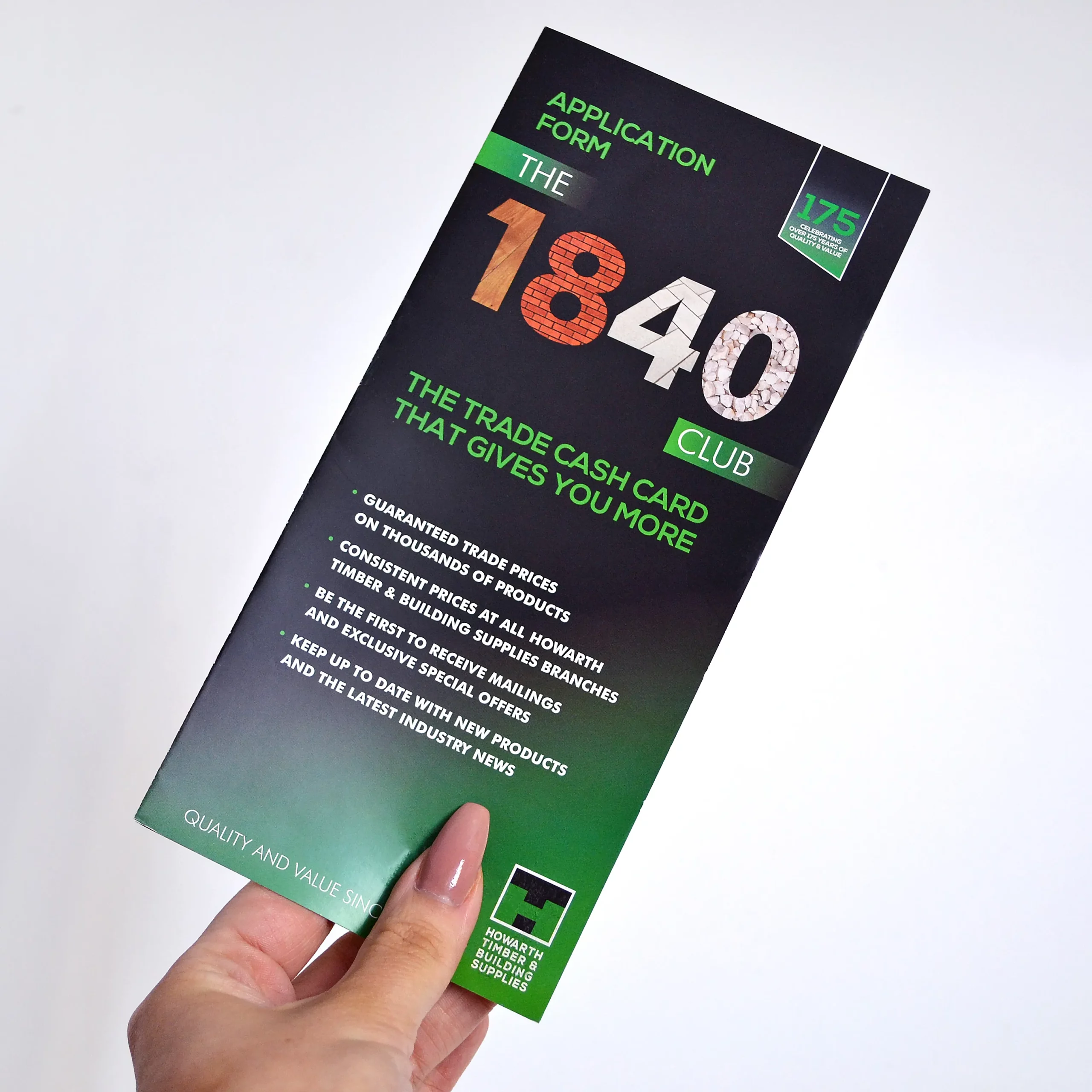
Good design grabs attention, but strong copy turns interest into action. The words on your flyer must be concise, persuasive, and centred on the customer’s needs.
Key copywriting principles:
- Lead with benefits. Tell readers how your product or service helps them.
- Keep it short. Use punchy sentences and bullet points for easy reading.
- Add urgency. Encourage quick action with phrases like “Book now” or “Offer ends soon”.
- Include one clear call to action. Whether it’s “Visit our website” or “Scan the QR code”, make it obvious.
- Build trust. Add short testimonials, accreditation logos, or guarantee statements where appropriate.
A clear, compelling message backed by strong visual design helps turn readers into customers. For further inspiration, see Flyer Design Tips and Checklist for UK Brands.
Design Techniques That Get Attention
A well-structured flyer should guide the reader’s eye naturally from headline to call to action. Design with purpose, using visual hierarchy and balance to make your content easy to digest.
Essential design tips:
- Hierarchy: Use size, colour, and placement to emphasise key elements like your offer or CTA.
- Colour psychology: Match your palette to your message—reds and oranges for urgency, blues and greens for trust.
- Typography: Limit yourself to two complementary fonts for consistency and clarity.
- White space: Keep layouts uncluttered to make information stand out.
- Imagery: Use relevant, high-quality images that reinforce your message.
When preparing for print, always use CMYK colour mode, a 300 dpi resolution, and include 3 mm bleed to avoid cutting errors.
Choose the Right Paper and Finish
The feel of your flyer can influence how your brand is perceived. A high-quality material suggests professionalism and care, while poor-quality paper may weaken your message. Sustainability is becoming increasingly important to UK consumers. Choosing recycled or FSC-certified paper not only supports the environment but also shows your brand’s commitment to responsible marketing.
Consider pairing your flyer designs with eco-friendly leaflets or silk leaflets for a professional, durable finish that complements your campaign style.
| Flyer Element | Recommended Options | Purpose / Effect |
|---|---|---|
| Paper Weight | 130–250 gsm | Balanced for cost-effective general campaigns |
| Premium Weight | 300–350 gsm | Adds a professional, durable feel |
| Finish | Gloss | Enhances colour and image vibrancy |
| Finish | Matt | Provides a smooth, elegant texture |
| Spot UV / Lamination | Optional | Highlights key design elements |
| Eco Option | Recycled or FSC-certified paper | Appeals to eco-conscious audiences |
Distribute Strategically for Maximum Impact
Design alone doesn’t guarantee results—distribution plays a crucial role. Your strategy should ensure that flyers reach the right audience at the right time.
Distribution methods to consider:
- Door-to-door: Ideal for local awareness and postcode targeting.
- In-store displays: Great for retail and hospitality businesses.
- Event handouts: Useful for trade shows, markets, and exhibitions.
- Direct mail: Creates a more personal connection with recipients.
Choose the format based on your campaign goals:
- A5 for general use and balanced visibility.
- DL for easy letterbox delivery.
- A6 for compact handouts or vouchers.
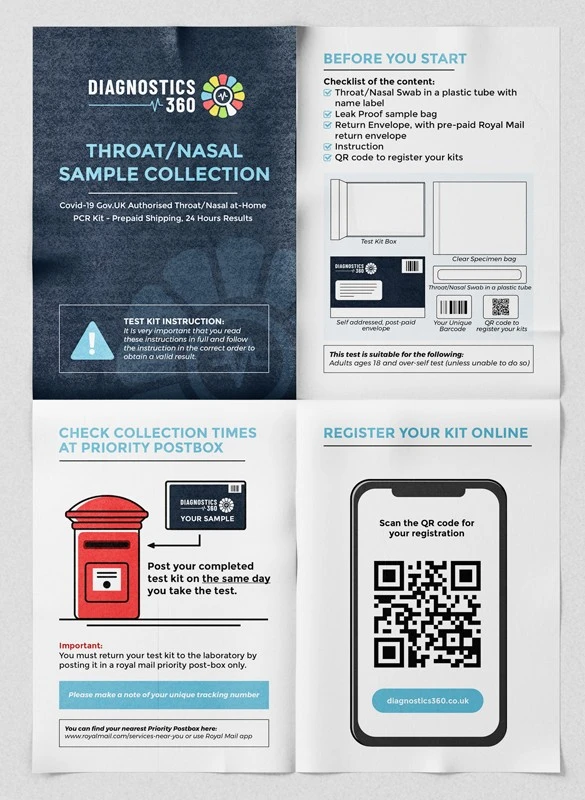
Integrate QR codes, campaign URLs, or discount codes to track engagement and measure ROI. Plan distribution around key moments—weekends, local events, or seasonal promotions—to maximise visibility and response rates. For more insights into campaign strategy, read Flyer Distribution and ROI: A Practical Guide.
Measure Results and Refine Future Campaigns
Tracking performance allows you to identify what works and optimise future designs. Use data-driven insights to continuously improve your campaigns.
Ways to measure success:
- Monitor QR code scans or unique URL visits.
- Track voucher redemptions or special offer codes.
- Record responses from dedicated phone numbers or email addresses.
Strong campaigns typically achieve a 3–5% response rate, but this can be higher with precise targeting and design testing. A/B test different versions—vary the headline, colours, or layout—to find what drives the most engagement.
Avoid These Common Design Mistakes
Many flyer campaigns fail because of easily avoidable errors. Keep these in mind to maintain professionalism and impact:
- Overloading the flyer with text or images.
- Poor contrast that makes text hard to read.
- Missing bleed or incorrect sizing for print.
- Weak or missing call to action.
- Low-quality paper that diminishes credibility.
- Failing to measure campaign performance.
A clean, clear design always outperforms a cluttered one. Focus on clarity, quality, and purpose.
Best Practices for UK Flyer Campaigns
For campaigns distributed in the UK, a few local considerations can make a big difference:
- Check local regulations: Some councils restrict flyer distribution in public spaces.
- Comply with GDPR: If you collect data through your flyers, ensure full data protection compliance.
- Use eco-friendly materials: Recyclable and sustainably sourced paper helps align your brand with modern environmental values.
- Adapt messaging by region: Tailor content and imagery to reflect local communities or dialects for stronger engagement.
Attention to these details enhances trust and professionalism, setting your campaign apart from competitors.
Turn Creative Design into Real Results
Flyers continue to be a proven marketing channel when designed with intent and strategy. By combining focused messaging, professional design, and thoughtful distribution, you can create campaigns that genuinely deliver results.
Now is the time to put these insights into practice. Start your next print project with purpose, creativity, and a results-driven approach that helps your business stand out across the UK market. For more design inspiration and print strategy insights, visit The Ultimate Guide to Flyer and Leaflet Printing.
Ready to design a flyer that gets noticed? Apply these principles today and transform your next campaign into a success story.