

Flyers vs Leaflets: Key Differences Explained (UK Guide)
The key difference between flyers and leaflets is that flyers are single, flat sheets designed for short, attention-grabbing messages, while leaflets are folded and multi-panelled, used to share more detailed information. In UK print marketing, flyers are ideal for quick promotions or events, whereas leaflets are better suited to informative campaigns that require structure and depth. For a broader overview of print formats and marketing approaches, see our full guide or browse practical resources at Flyers and Leaflets UK.
The following sections explore these differences in greater detail — from design, cost, and marketing effectiveness to sustainability and how to integrate print with digital campaigns — helping you choose the right option for your next UK marketing project.
Table Of Contents
1. What Is the Difference Between a Flyer and a Leaflet?
In UK printing, the main difference between a flyer and a leaflet lies in format and purpose.
A flyer is usually a single, flat sheet, commonly printed on A6 or A5 paper. It’s designed for short, impactful messages such as special offers, local events, or quick promotions.
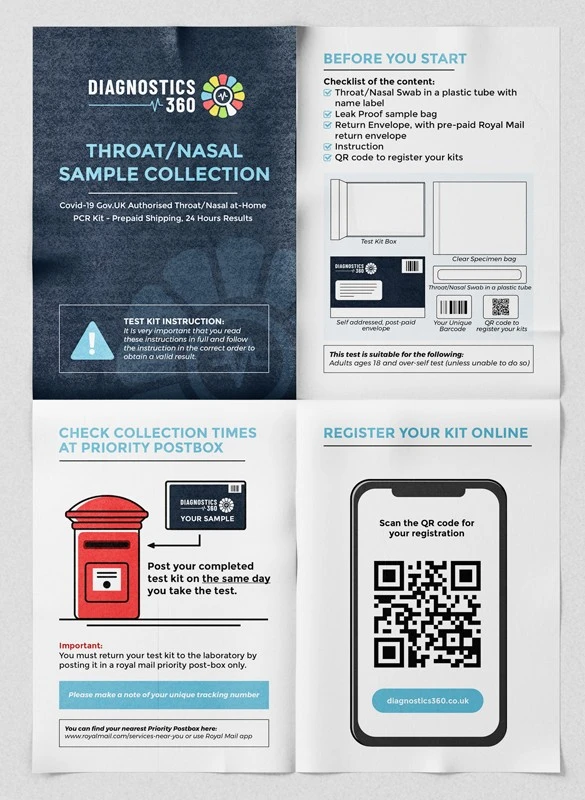
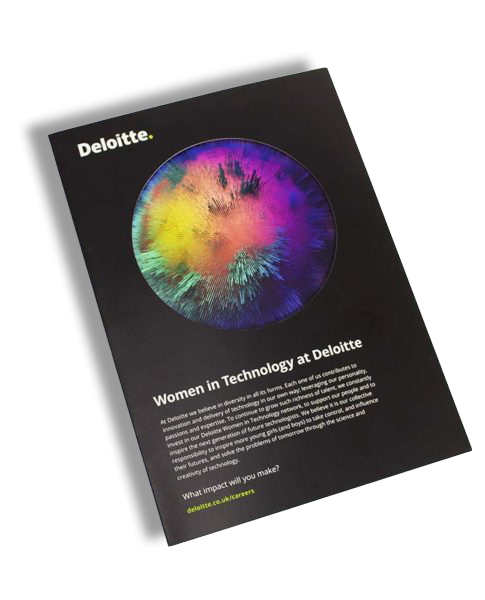
A leaflet, by contrast, is often folded and multi-panelled — for example, a tri-fold A4 or bi-fold A5 design. This format allows for more detailed content such as product information, service breakdowns, or educational material.
While there’s no legal definition separating the two, the distinction comes down to how much information you need to share and how long you want the material to be kept.
2. Design, Format, and Purpose
The structure of each format influences how your audience reads and reacts to your message.
Flyers are:
- Flat, single-page handouts designed for quick impact
- Visually bold, often with minimal text and a clear call to action
- Commonly used for events, promotions, and awareness campaigns
Leaflets are:
- Folded and structured for more detailed communication
- Ideal for storytelling, service explanations, or product guides
- More likely to be retained by the recipient
Popular UK sizes include A6 and A5 flyers, and DL or A4 folded leaflets, depending on how much space is needed. A flyer should catch attention instantly, while a leaflet should guide the reader through a narrative.
For professional results, always work with a trusted printer that can deliver precise folding, vibrant colours, and high-quality finishes — whether you’re producing flyers or leaflets. You can also explore creative ideas here for more design inspiration.
3. Cost and Production in the UK
Printing costs depend on factors such as paper weight (gsm), colour coverage, and finishing options like gloss, matt, or recycled paper.
- Flyers are more cost-effective because they use less material and don’t require folding.
- Leaflets cost slightly more due to additional panels and folding, but they offer more space for information and imagery.
Typical UK printing costs (approximate for 1,000 units):
- A5 Flyers: £70-100 depending on finish and thickness
- Folded Leaflets: £130-180 depending on size and fold type
For campaigns with smaller budgets or short-term promotions, flyers provide excellent value. For longer-lasting or information-rich campaigns, leaflets offer better space and structure. If you’re comparing materials, see Paper Types Finishes, and Print Quality Explained for guidance on print finishes and quality options.
4. Marketing Effectiveness and ROI
Despite the dominance of digital marketing, print materials remain highly effective in the UK. Research from industry bodies such as the DMA and MarketReach consistently shows strong engagement with printed advertising:
- Around 89% of consumers recall receiving a flyer or leaflet (DMA).
- Around 84% of door drops are read, kept, or acted upon (Jicmail).
- According to Two Sides UK, print media delivers stronger recall and trust than digital advertising (Two Sides).
These figures demonstrate that print marketing delivers excellent return on investment, especially for local and service-based businesses. The physical nature of printed materials builds trust, credibility, and brand recall in a way digital ads often cannot.
5. Flyers vs Leaflets: Comparison Table
To make the distinctions between flyers and leaflets easier to understand, the following table highlights the key differences in format, content style, purpose, and cost. Use it as a quick reference when deciding which printed material best suits your campaign goals — whether you’re planning a short-term promotion or an in-depth informational piece.
| Feature | Flyer | Leaflet |
|---|---|---|
| Format | Single, flat sheet | Folded, multi-panel |
| Content style | Concise and impactful | Detailed and structured |
| Purpose | Promote offers or events | Educate or inform |
| Common sizes | A6, A5 | DL, A4 folded |
| Cost per 1,000 (approx.) | £70-100 | £130-180 |
| Production time | Fast turnaround | Slightly longer due to folding |
| Reader retention | Short-term | Longer-term reference |
| Best suited for | Quick promotions | Brochures, guides, or menus |
6. When to Use Flyers vs Leaflets
The right choice depends on your marketing goal and the message you want to communicate.
Choose flyers when:
- You’re running a limited-time offer or event.
- You need a low-cost, high-volume distribution method.
- You want to drive quick responses or footfall.
Choose leaflets when:
- You’re promoting multiple services or detailed information.
- You want customers to keep the material for future reference.
- You’re targeting a specific audience with more in-depth messaging.
Some businesses combine both: using flyers to grab attention and leaflets for deeper engagement. This approach can work particularly well when supported by a digital campaign. For effective planning, explore Flyer Distribution and ROI: A Practical Guide for distribution strategies that boost response rates.
7. Design and Content Tips for Maximum Impact
Your design and content determine whether your printed material gets noticed — or discarded.
Effective flyer design:
- Use a clear headline and minimal text.
- Focus on one core message per side.
- Include a strong call to action (e.g. “Book today” or “Visit our website”).
Effective leaflet design:
- Plan content flow across folds for logical storytelling.
- Include compelling visuals and well-structured sections.
- Add multiple calls to action depending on audience intent.
General best practices:
- Keep branding consistent and colours on-theme.
- Use professional imagery and clear typography.
- Allow space for QR codes or short URLs to connect print and digital.
You can learn more about printing finishes and materials in our guide to eco-friendly printing and view our eco-friendly leaflets range for sustainable options.
8. Real-Life Impact of Flyers and Leaflets
Printed campaigns continue to produce measurable results for UK businesses.
For example, a restaurant might hand out 5,000 flyers to promote a weekend special and see immediate footfall growth. Meanwhile, a service provider could distribute detailed leaflets that generate enquiries over time.
These examples illustrate the importance of matching the format to your marketing goal — flyers for instant impact and leaflets for long-term engagement. Our A5 leaflets are a popular choice for versatile, professional marketing pieces.
9. Sustainability and Eco-Friendly Printing
Sustainability has become an essential consideration in print marketing. Many UK print providers now offer:
- Recycled or FSC-certified paper
- Vegetable-based inks
- Carbon-balanced print options
Opting for eco-friendly materials not only supports the environment but also strengthens brand reputation. Customers increasingly value sustainable practices and are more likely to respond positively to environmentally responsible brands.
10. Integrating Print with Digital Campaigns
Print and digital channels can work hand in hand for stronger results.
- Use QR codes on flyers or leaflets to drive readers directly to your landing page.
- Add unique promo codes to track conversions from print.
- Encourage engagement through social media mentions or email sign-ups.
By combining the tangibility of print with the trackability of digital, you can measure performance accurately and reach your audience across multiple touchpoints.
Conclusion
While flyers and leaflets share similarities, each serves a distinct role in effective marketing.
- Flyers are cost-efficient, fast to produce, and ideal for short-term promotions.
- Leaflets offer space for more information, storytelling, and credibility.
Choosing the right option depends on your message, audience, and goals — but both remain proven tools for UK businesses that value trust and visibility. For more detailed guidance, visit our full resource here.
Ready to launch your next print campaign? Choose professional flyer printing or leaflet printing with quick turnaround and nationwide delivery. Bring your brand to life through quality print that gets noticed.