

Paper Types, Finishes & Print Quality Explained
Paper types, finishes, and print quality all play a vital role in how printed materials look, feel, and perform. In the UK, understanding the differences between coated and uncoated stocks, various finishes such as gloss, silk, kraft, and matte, and how GSM affects print quality helps ensure professional and consistent results. Each choice influences colour accuracy, texture, and durability — key factors in achieving the desired visual impact.
This article explores paper types, finishes, and print quality in greater depth, offering practical guidance on selecting the right materials for any print project. You can also learn more about the main differences between flyers and leaflets here and explore the Flyers and Leaflets UK for further print guides and resources.
Table Of Contents
1. Understanding the Essentials of Paper Quality
Paper terminology can seem technical, but once you understand the basics, choosing the right stock becomes much easier.
- GSM (grams per square metre): Indicates paper weight. Higher GSM means thicker and sturdier paper. For example, 80 gsm is standard for office paper, while 350 gsm is commonly used for business cards.
- Thickness (calliper): Relates closely to GSM and affects rigidity and texture.
- Brightness and whiteness: Influence how colours appear and how much contrast they display.
- Opacity: Determines how much print shows through on the reverse side — important for double-sided materials.
- Grain direction: Affects how paper folds and behaves during printing.
Knowing these fundamentals helps ensure your finished product looks and feels exactly as intended.
2. Common Paper Types in UK Printing
Each paper type brings unique qualities suited to different print purposes.
- Uncoated paper: Has a natural texture and absorbs ink easily. Perfect for stationery, letterheads, and notepads.
- Coated paper: Features a smooth surface that enhances detail and colour. Variations include:
- Gloss: High shine for strong colour vibrancy and photographic imagery.
- Silk/Satin: Subtle sheen, ideal for professional brochures and leaflets.
- Matte: Soft, non-reflective surface best for text-heavy content.
- Recycled and sustainable paper: Made from post-consumer waste or FSC-certified sources, combining performance with environmental responsibility.
- Textured or specialty paper: Includes linen, laid, and cotton finishes that create a premium tactile impression, perfect for business cards and invitations.
If you’re producing marketing materials, it’s worth considering our A5 leaflets for small runs or A4 leaflets for detailed designs that require more space.
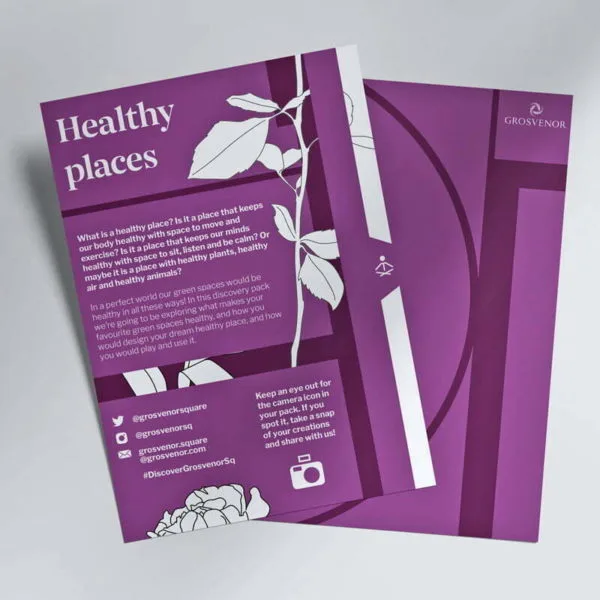
3. How Paper Finishes Influence Print Results
A paper’s finish determines its texture, light reflection, and overall appearance. Choosing the right one affects both aesthetics and functionality.
- Gloss finish: Maximises colour depth and detail; ideal for photos and advertising.
- Silk finish: Balanced sheen that provides a polished yet understated look.
- Matte finish: Reduces glare, enhances readability, and offers a smooth feel.
- Soft-touch or velvet coating: Adds a refined texture to luxury prints and presentation pieces.
- Protective coatings: Techniques like lamination, varnish, or spot UV improve durability and visual appeal.
Selecting a finish that matches your design intent ensures your printed materials not only look professional but also last longer. For more creative layout ideas, see Flyer and Leaflet Sizes, Folds & Templates Guide.
4. The Connection Between Paper and Print Quality
Print quality depends heavily on the paper’s surface properties. Coated papers absorb less ink, producing sharper images and stronger colour contrast. In contrast, uncoated papers absorb more ink, creating a softer, more organic effect.
Other key factors include:
- DPI (Dots Per Inch): Determines image sharpness — higher DPI means greater detail.
- Dot gain: Occurs when ink spreads slightly on absorbent paper.
- Colour gamut: Defines how many colours can be accurately reproduced.
Understanding these technical aspects helps you achieve consistent, high-quality print results.
Paper Weight and Recommended Uses
This quick reference table helps you choose the most suitable paper weight and finish for your specific project.
| Print Product | Recommended GSM Range | Suggested Finish | Typical Use Case |
|---|---|---|---|
| Flyers & Leaflets | 130–170 gsm | Gloss or Silk | Promotional handouts |
| Brochures & Catalogues | 170–250 gsm | Silk or Matte | Product or brand literature |
| Business Cards | 300–400 gsm | Coated or Textured | Professional networking |
| Posters & Signage | 150–250 gsm | Gloss or Satin | Indoor/outdoor advertising |
| Stationery & Letterheads | 90–120 gsm | Uncoated | Everyday office use |
| Art Prints & Photography | 200–300 gsm | Gloss or Matte | High-quality reproductions |
5. Choosing the Right Paper for Your Project
Selecting paper should always start with your purpose and audience in mind.
- Marketing materials: Use coated or gloss paper for vivid, eye-catching colour reproduction.
- Corporate stationery: Choose uncoated paper for a clean, writable finish.
- Premium projects: Go for textured or soft-touch finishes that suggest exclusivity.
- Eco-friendly printing: Recycled or FSC-certified papers communicate sustainability and care.
Matching paper choice to the intended use ensures both visual impact and practicality.
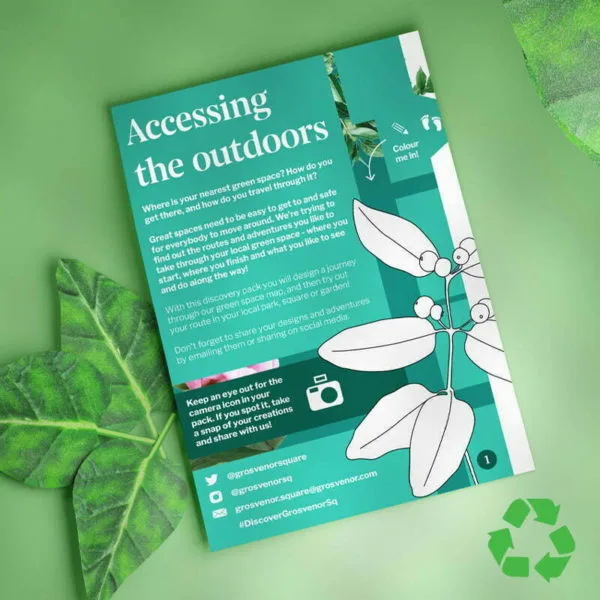
6. Sustainable and Recycled Paper Choices in the UK
Sustainability is now a core consideration in UK printing. FSC-certified and recycled papers are widely available and offer excellent print performance.
Eco-friendly printing has also advanced with new materials such as biodegradable laminates, water-based varnishes, and soy-based inks. These options reduce environmental impact while maintaining vibrant colour and durability. Choosing sustainable stocks demonstrates responsibility and strengthens your brand’s values.
For further reading, explore Eco-Friendly Flyer Printing in the UK.
7. Balancing Cost and Print Quality
Premium materials often cost more, but the impression they create can be worth the investment. The key is to use them strategically.
Tips for balancing quality and budget:
- Apply high-end finishes to covers or client-facing pieces only.
- Request printed proofs to preview the outcome before committing.
- Order in bulk for frequently used materials to reduce per-unit cost.
Smart budgeting ensures your printed materials maintain high quality without unnecessary expense.
8. Avoiding Common Paper and Print Mistakes
To achieve the best results, avoid these frequent issues:
- Using low-resolution artwork (below 300 DPI).
- Printing double-sided on thin paper, causing show-through.
- Choosing glossy finishes for text-heavy layouts that cause glare.
- Skipping test prints before the main production run.
Taking time to check these details ensures a smooth and professional final print.
9. Professional Tips for Paper Selection
A few expert habits can simplify the decision process and improve results:
- Order sample packs: Comparing textures and weights in person makes a big difference.
- Consider handling conditions: Choose durable finishes for materials that will be frequently used or mailed.
- Stay consistent: Use matching stocks across all brand materials for a cohesive image.
- Consult your printer: Professional advice ensures the paper you choose suits your printing method.
These steps guarantee a result that looks, feels, and performs to a high professional standard.
Bringing It All Together
Paper selection is a creative and strategic choice that influences how your message is perceived. The right combination of weight, finish, and print quality transforms an ordinary design into a piece that looks polished, professional, and built to impress.
Before placing your next order, explore available samples and test finishes. Understanding how each paper behaves ensures your print projects deliver both visual appeal and lasting quality. To explore more on print quality and material selection, visit The Ultimate Guide to Flyer and Leaflet Printing.
Next Steps
Ready to start your next print project? Request a tailored quote or speak with a print specialist for expert guidance on choosing the perfect paper and finish for your materials. With the right decisions, your prints will look sharp, feel professional, and make a lasting impression.